If you're a parent researching Jiu-Jitsu for your kid, safety is probably the first question, not the fifth. It should be — you're trusting us with your child. So let's answer it directly, without the marketing spin: here's exactly how a well-run kids' curriculum keeps risk low, and what to look for (in ours or anyone else's) before you sign up.
Grappling isn't striking — and that distinction matters
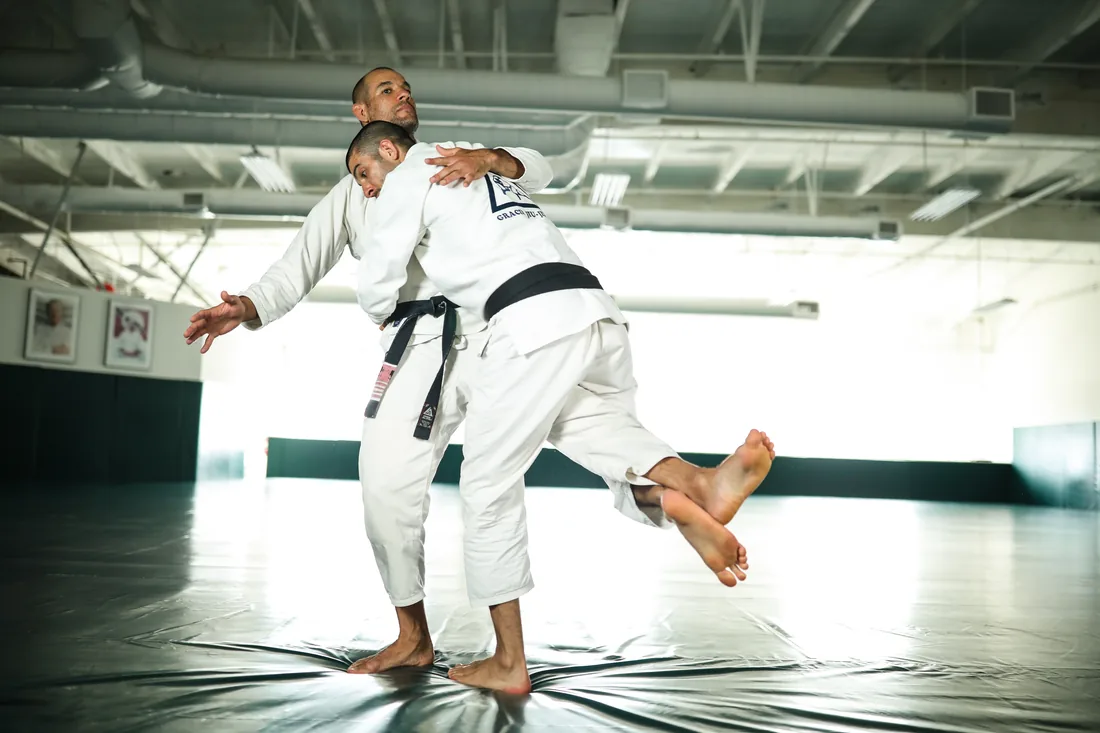
The martial arts world lumps a lot of different things under one umbrella, but the risk profile is not the same across all of them. Striking arts involve kids throwing and absorbing punches or kicks. Jiu-Jitsu is a grappling art: the goal is to control a training partner's body and secure a position, not to hit them. In the Gracie Bullyproof® curriculum specifically, kids are taught to neutralize and control an aggressor without ever throwing a strike themselves. Removing striking from the equation removes the single biggest injury driver in combat sports.
Cooperative before live — always, in that order
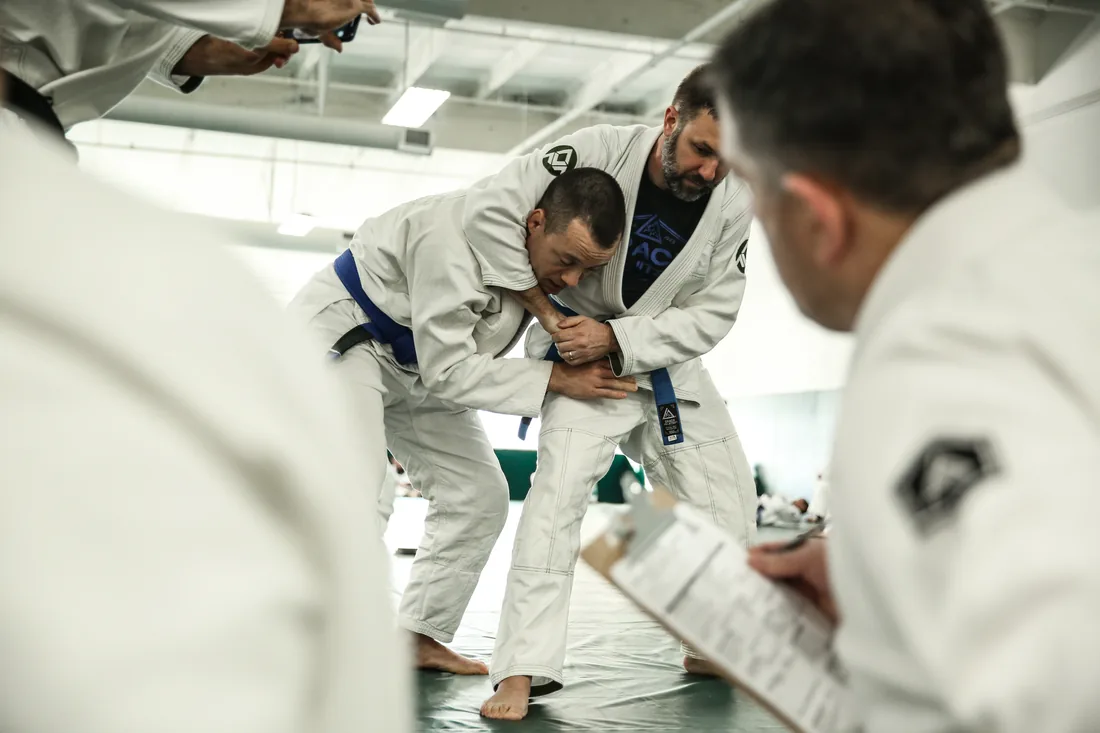
The other half of the safety equation is teaching method, not just the art. A beginner-safe program drills new material cooperatively first: your child and a partner move through a technique slowly, with the partner helping them find the position rather than resisting or trying to "win." Only once a skill is solid does any live component get introduced, and even then it's coached, size-matched, and supervised the entire time. Nobody gets thrown into live rolling in week one.
A child who can neutralize a confrontation without striking avoids the escalation spiral that turns a shove into a fight — and avoids the disciplinary consequences that fall on the kid who threw a punch, even in self-defense.Gracie Bullyproof® instructional philosophy
How risk actually compares to other youth sports
Parents often assume a combat sport is automatically the riskiest activity on their child's schedule. National injury-surveillance data consistently tells a different story: high-collision, full-speed team sports like football and cheerleading report some of the highest rates of youth sporting injuries and ER visits, largely because contact happens at speed and isn't optional. A cooperative grappling class is structurally different — there's no full-speed collision, no ball to chase into another kid, and progression is gated by skill, not by who's toughest that day. That doesn't make it risk-free; nothing physical is. It means the risk is managed by design rather than left to chance.
Age-banding is not optional
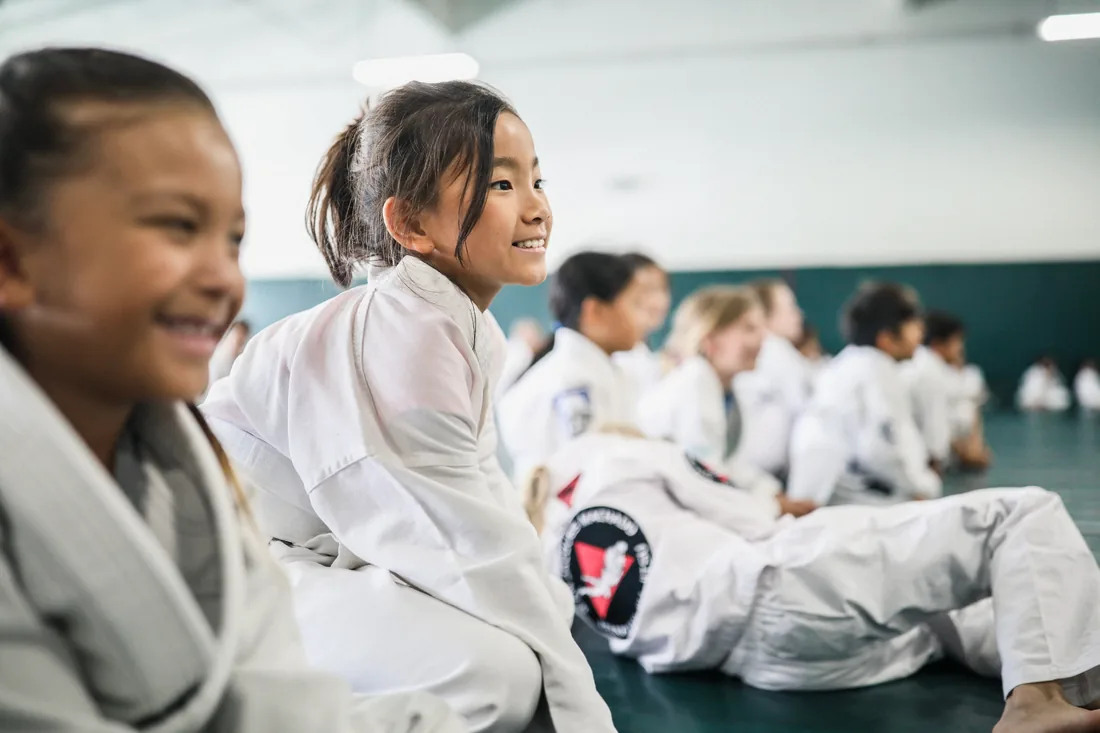
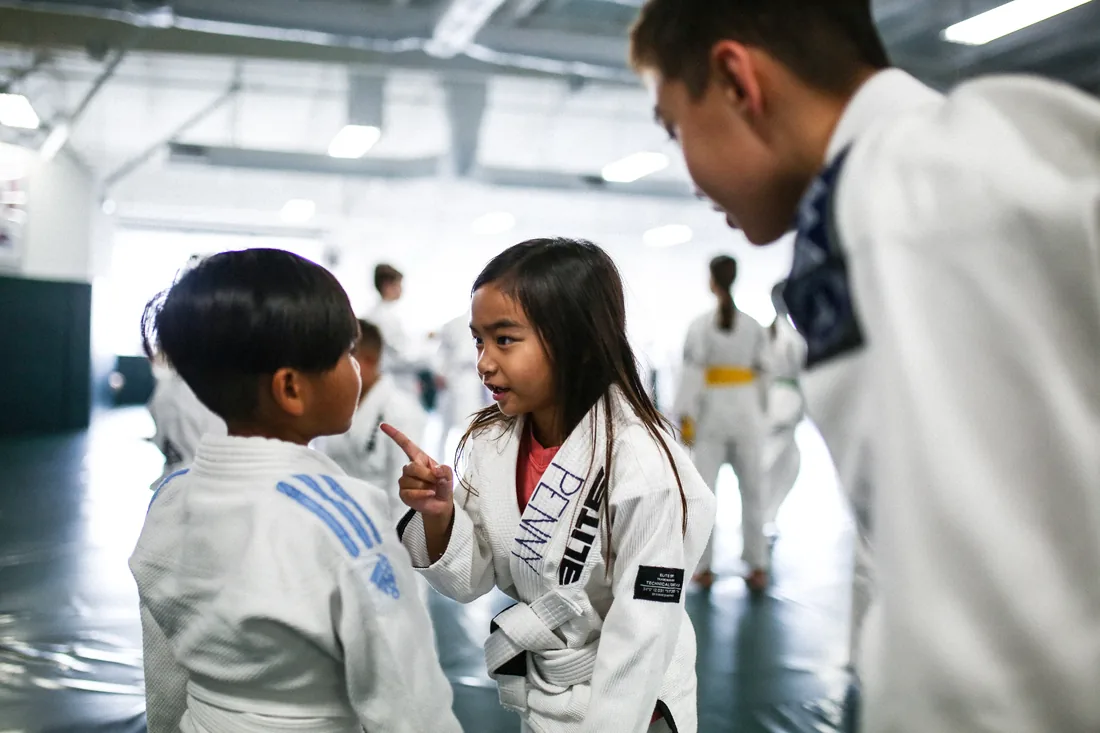
A 4-year-old and a 10-year-old should never be training the same class the same way. That's why we run separate tracks: Mat Munchkins® (3–5) is entirely game-based with a parent on the mat and zero live contact, Little Champs® (5–7) layers in real technique through play, and Jr. Grapplers® (7–12) is where live, coached drilling begins. If a school puts every kid on one mat regardless of age or size, that's a red flag worth asking about directly.
What a certified curriculum actually buys you
A recognized certification means the safety method isn't one instructor's personal judgment call — it's a standard. As the area's only Gracie Certified Training Center, our coaches teach the exact progression the Gracie family built and refined for beginner and youth safety, not an improvised version of it. If you're comparing schools, ask directly: is the beginner curriculum standardized, or does it vary by who's teaching that day?
What to watch for on your visit
- Are beginners drilling cooperatively, or thrown into live rolling right away?
- Is the class grouped by age and size, not just "kids" as one bucket?
- Does the coach correct technique individually, or just run a timer?
- Is there a visible, calm structure to the class, not chaos?
- Can you watch the entire class from the lobby or mat-side, any day, unannounced?
If the answer to that last one is no, that alone should end the conversation. A program with nothing to hide lets you watch everything, every time.
See it before you decide
The fastest way to answer your own safety question is to watch a class in person — not read about it. Bring your child to a free 10-day trial at Gracie Jiu-Jitsu Warwick, sit mat-side, and judge the method with your own eyes. No card required, no pressure to continue.
Frequently asked questions
Is Jiu-Jitsu safe for kids?
Yes, when it's taught with a cooperative, age-banded curriculum. Gracie Jiu-Jitsu is grappling-based, not striking-based — kids learn control, escapes, and positioning, and there are no punches or kicks thrown at another child, ever. Risk comes from how a program is taught, not from the art itself, which is why the curriculum and the instructor matter more than the name on the door.
What age can my child start Jiu-Jitsu?
At Gracie Jiu-Jitsu Warwick, kids can start as young as 3 in Mat Munchkins, a parent-assisted, game-based class with zero live contact. Little Champs (5–7) introduces real technique through play, and Jr. Grapplers (7–12) trains the full curriculum, including live drilling with a partner who is taught to help you learn, not to win.
Do kids fight or spar in class?
Not the way people picture it. Beginners spend months drilling cooperatively before any live rolling, and even then it's controlled, coached, and matched by size and experience — never an unsupervised free-for-all. A child is never paired up to "see what happens."
What if my child isn't athletic or gets hurt easily?
That's most of the kids who walk through our door. Jiu-Jitsu doesn't reward speed or size the way many other sports do — it rewards patience and technique, which means a smaller, less coordinated kid can genuinely succeed and improve their odds of staying injury-free, since they're not relying on speed or collisions to keep up.