“What’s the best martial art for self-defense?” It’s one of the most common questions we hear from adults and parents in Warwick, and it’s a smart one to ask before you invest your time and money in any school. The honest answer: several martial arts are excellent, but they are not equally effective for real-world self-defense for the average person. This guide compares the most popular options (karate, taekwondo, boxing, Muay Thai, MMA, Krav Maga, and Brazilian Jiu-Jitsu) so you can choose with confidence. Weighing the local options first? See our overview of martial arts in Warwick.
What makes a martial art effective for real self-defense?
Before comparing styles, it helps to define what matters when the goal is protecting yourself, not winning a tournament or scoring points.
- It works against a bigger, stronger attacker. Real attackers don’t pick fair fights. Effective self-defense relies on leverage and technique, not size or strength.
- It addresses the ground. Many real altercations end up in a clinch or on the ground, where most striking-only styles have little to offer.
- You can train it safely against real resistance. Skills practiced only in the air rarely hold up under stress. Being able to drill and pressure-test safely is what builds true reflexes.
- It lets you control a situation without injuring someone. Neutralizing a threat without throwing a punch matters both legally and morally.
- Anyone can do it. The best self-defense art works for women, kids, and older beginners, not just young athletes.
Comparing the most popular martial arts for self-defense
Here’s how the most popular disciplines stack up across the things that matter in a real confrontation. (Ratings reflect typical real-world self-defense application for an average person, not sport competition.)
| Martial Art | Striking | Clinch & Takedowns | Ground Defense | Works for Smaller People | Safe Live Practice |
|---|---|---|---|---|---|
| Karate | Strong | Limited | Minimal | Moderate | Limited |
| Taekwondo | Strong | Minimal | Minimal | Moderate | Limited |
| Boxing / Kickboxing | Strong | Limited | Minimal | Moderate | Strong |
| Muay Thai | Strong | Strong | Minimal | Moderate | Strong |
| MMA | Strong | Strong | Strong | Moderate | Demanding |
| Krav Maga | Moderate | Moderate | Limited | Moderate | Varies |
| Judo | Minimal | Excellent | Strong | Strong | Strong |
| Wrestling | Minimal | Excellent | Strong | Moderate | Strong |
| Brazilian Jiu-Jitsu | By design* | Strong | Excellent | Excellent | Excellent |
*Brazilian Jiu-Jitsu intentionally prioritizes control and grappling over striking, letting you neutralize a threat without trading blows.
Karate
Karate builds discipline, focus, and solid striking fundamentals, and it’s widely available. For self-defense, though, traditional karate is largely stand-up and strike-based, often practiced in choreographed forms (kata) with limited full-contact pressure-testing. It offers little for the clinch or the ground, where many confrontations end up.
Taekwondo
Taekwondo is a fantastic sport for athleticism, flexibility, and powerful kicks, and a great confidence-builder for kids. But its Olympic-sport emphasis on high, flashy kicks doesn’t translate well to a chaotic real-world encounter, especially at close range or on the ground.
Boxing, Kickboxing & Muay Thai
These striking arts are tremendous for fitness and effective at managing distance and delivering powerful strikes. Muay Thai in particular adds elbows, knees, and a strong clinch. Their limitation for self-defense is the same: once the distance closes or the fight hits the ground, a pure striker can be in trouble, and striking back isn’t always the safest or most legally defensible option.
Mixed Martial Arts (MMA)
MMA blends striking and grappling and is arguably the most complete combat sport. The trade-offs: it’s built around competition between trained, conditioned athletes, training can be physically punishing, and it’s less accessible for kids, women, or older beginners who want practical self-defense without the wear and tear.
Krav Maga
Krav Maga is purpose-built for self-defense and teaches useful situational awareness. Its weakness is that many programs lean heavily on scenario drills without the live, resisting practice that ingrains technique, so skill quality varies widely from school to school.
Judo & Wrestling
Judo and wrestling are outstanding grappling arts and share much of Jiu-Jitsu’s DNA: they’re built on leverage, they’re pressure-tested live every class, and they excel at takedowns and controlling an opponent. Where they differ is emphasis: both focus on throwing and pinning, with far less attention to defending yourself from underneath or finishing with submissions, exactly the situations Brazilian Jiu-Jitsu is designed to solve.
Brazilian Jiu-Jitsu
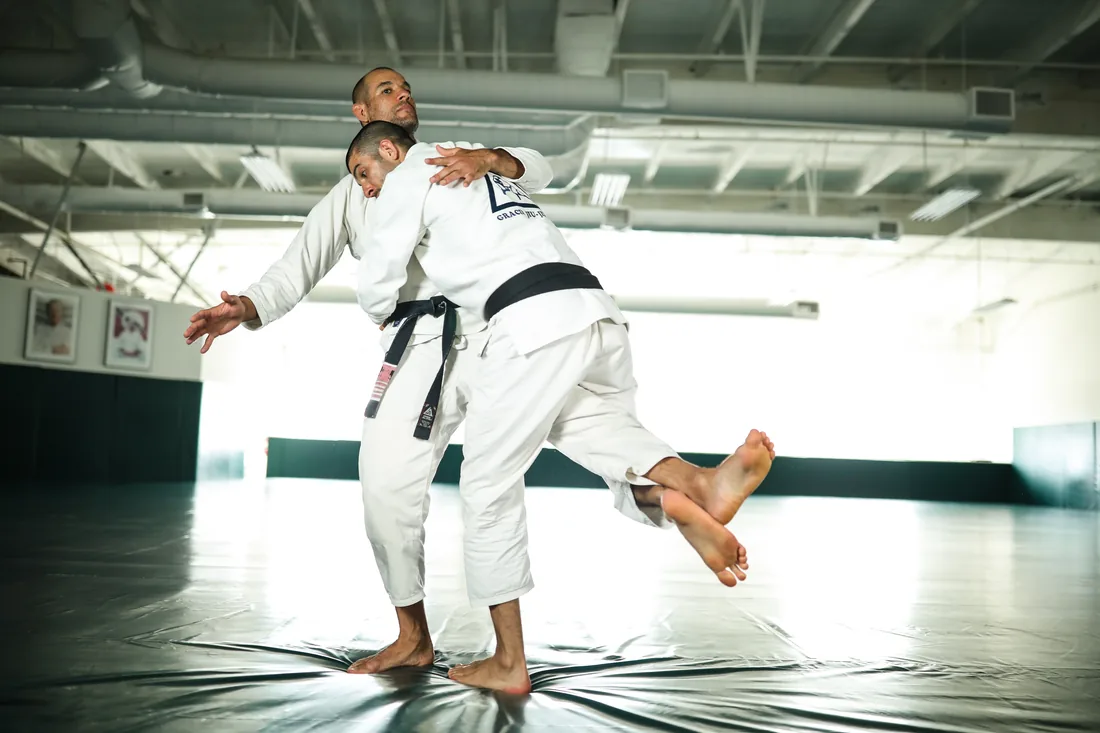
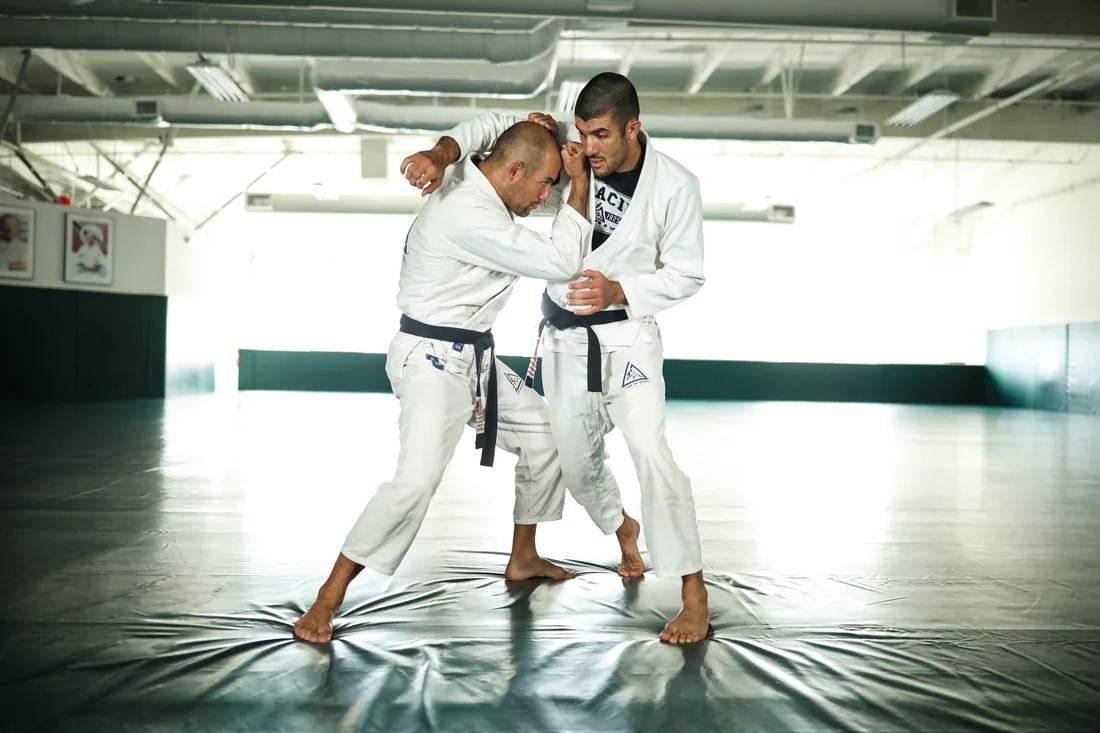
Brazilian Jiu-Jitsu was designed from the ground up to let a smaller, weaker person defend against a larger, stronger attacker using leverage, timing, and control rather than strength or strikes. It excels exactly where most other styles fall short (the clinch and the ground), and it’s one of the few arts you can pressure-test safely against a fully resisting partner, which is why the skills hold up under real stress.
The effectiveness of Gracie Jiu-Jitsu against larger opponents from other disciplines was demonstrated publicly in the earliest Ultimate Fighting Championship events, where Royce Gracie, frequently the smallest competitor in the field, defeated bigger strikers to win the tournament three times.Ultimate Fighting Championship 1, 2 & 4 (1993–1994).
Why Brazilian Jiu-Jitsu stands out for everyday self-defense
BJJ is built around what happens in a real confrontation rather than the rules of a sport.
- Leverage over strength: technique and timing let a smaller person control a larger one, so it works regardless of size or athleticism.
- Control without striking: you can neutralize and hold an attacker safely, which is often the smartest legal and ethical choice.
- Mastery of the ground: the position most styles ignore is exactly where BJJ is strongest.
- Safe, realistic practice: cooperative drilling and controlled live training build reflexes that hold up under stress.
- Proven for everyone: the same system serves women, children, and beginners in their 70s and 80s, not just elite athletes.
So, what’s the best martial art for self-defense?
The honest answer is that it depends on your goal. If you want world-class striking and conditioning, boxing or Muay Thai are excellent. If you love sport competition, MMA is hard to beat. But if your priority is practical, real-world self-defense that works regardless of your size, age, or athleticism, and that you can learn safely, Brazilian Jiu-Jitsu is, for most people, the best choice. It’s no accident that BJJ is a core part of modern military and law-enforcement defensive training and the foundation of the original mixed-martial-arts success stories alike.
The best martial art for kids, women, and older beginners
Other leverage-based arts such as Judo can also serve women and smaller defenders well, and a reputable Krav Maga program can teach useful awareness. But because Gracie Jiu-Jitsu is built entirely on leverage rather than strength, and because it owns the ground, where many real attacks against women end up, it’s uniquely suited to the people who need self-defense most:
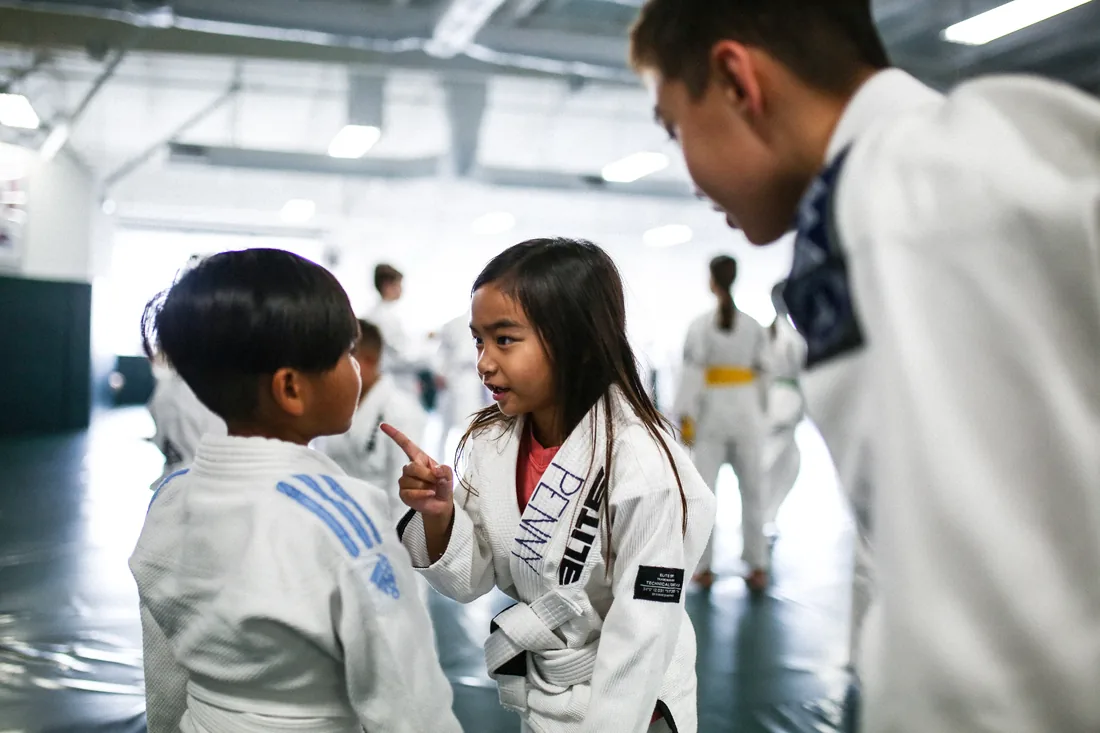
- Kids: our Gracie Bullyproof® program teaches children non-violent, confidence-building self-defense in age-based groups.
- Women: Women Empowered® focuses on defending the most common real-world threats. No strength or experience required.
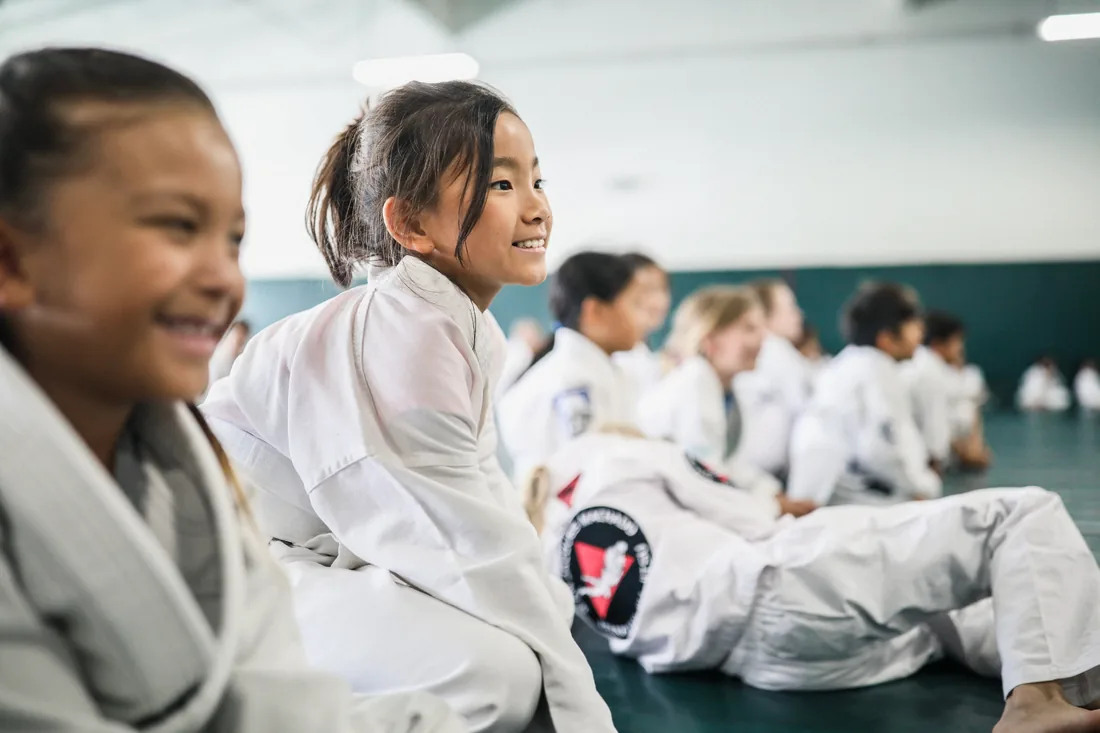
- Adult beginners: Gracie Combatives® starts at the absolute beginning, and students from age 3 to 90+ train comfortably here in Warwick.
Try Brazilian Jiu-Jitsu in Warwick: free for 10 days
The best way to judge any martial art is to step on the mats and feel it for yourself. As an official Gracie Certified Training Center, we teach the authentic, self-defense-first curriculum in a safe, welcoming environment. Explore all of our Warwick programs, read why beginners choose Gracie Jiu-Jitsu Warwick, or claim your free 10-day trial. No experience, no card, and no commitment required.