If you’re a Warwick parent weighing “karate for kids” against “Jiu-Jitsu for kids,” you’re asking exactly the right question — the two are genuinely different, and the better fit depends on what you actually want for your child. This is an honest side-by-side, written by a martial arts school that will happily tell you where each art shines. (If you haven’t yet decided on any style, start with our broader overview of martial arts in Warwick.)
The core difference: striking vs. control
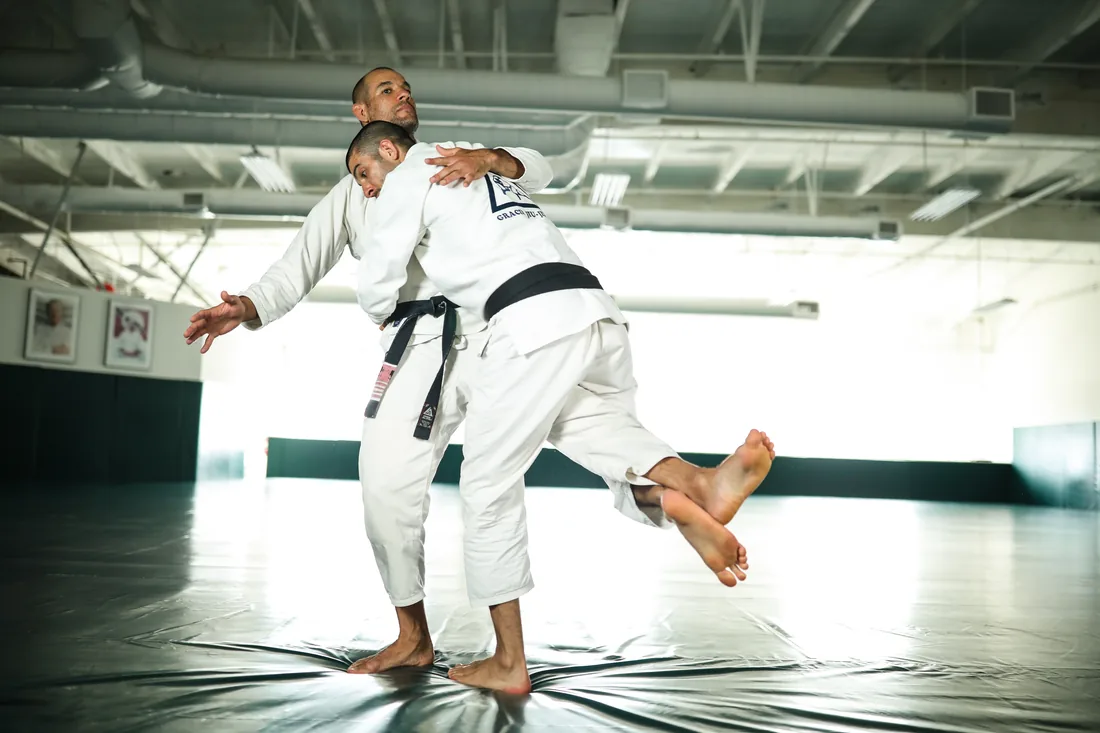
Karate and taekwondo are striking arts — they teach kids to punch, kick, and block, usually alongside forms (choreographed movement patterns) and a strong tradition of etiquette and belts. Brazilian Jiu-Jitsu is a grappling art — it teaches control through leverage, position, and technique, with no striking at all. That single distinction drives almost every practical difference below.
Which one actually works in a schoolyard?
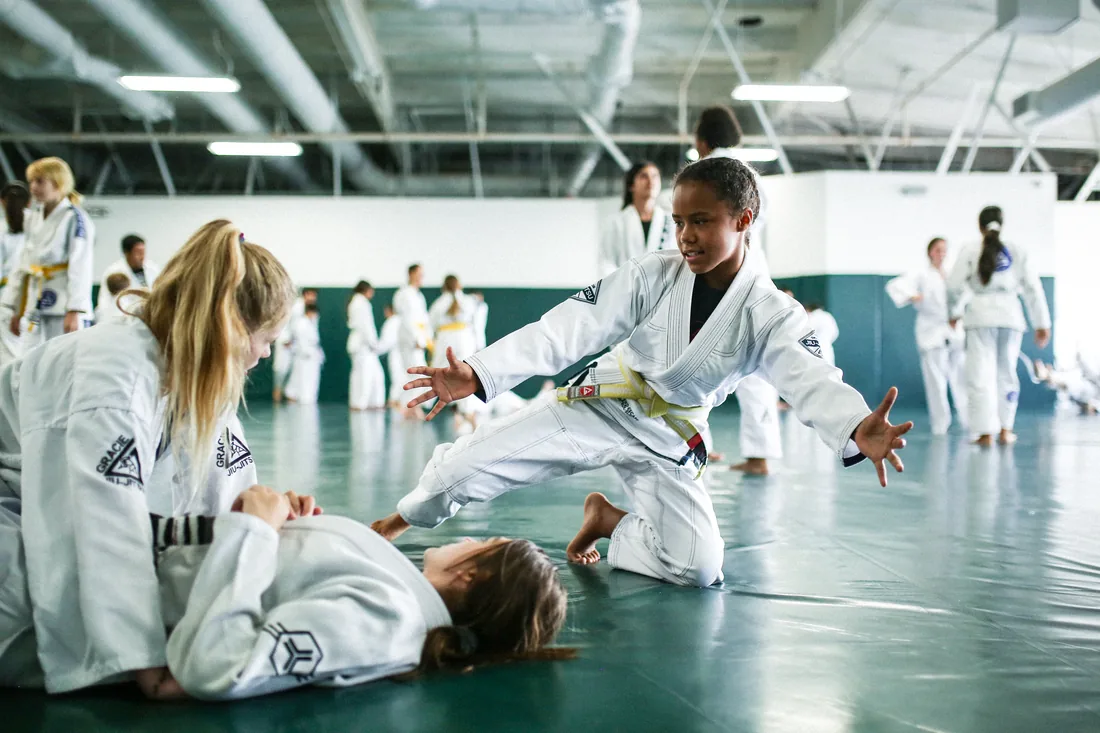
Here’s the uncomfortable truth about most kid-on-kid confrontations: they rarely look like a karate match. They start with a shove, a grab, or a headlock, and they collapse into wrestling on the ground within seconds. Striking a bully invites escalation — and often gets both kids in trouble. Jiu-Jitsu gives a child a third option: stay calm, control the aggressor with position and leverage, and hold them there safely until an adult steps in. No punches thrown, no one hurt, nobody suspended. That’s the scenario the Gracie Bullyproof® program is explicitly built around.
A child who can neutralize a confrontation without striking avoids the escalation spiral that turns a shove into a fight — and avoids the disciplinary consequences that fall on the kid who threw a punch, even in self-defense.Gracie Bullyproof® instructional philosophy
Confidence: earned, not performed
Both arts build confidence — but by different routes. Karate often builds it through board breaks and belt tests, visible milestones a child can point to. Jiu-Jitsu builds it more quietly and, we’d argue, more durably: a kid who has actually controlled a bigger training partner knows, in their body, that they can handle themselves. That calm, un-showy confidence is what tends to make bullies lose interest in the first place. We wrote more about this in how Bullyproof builds confidence.
Safety and injury risk
This one matters to every parent. Striking arts, even with pads, involve kids hitting and being hit. Jiu-Jitsu drilled the Gracie way is cooperative — partners help each other execute technique correctly rather than competing to win — and there is no striking at all, so the most common martial-arts bumps and bruises are largely off the table. For younger children especially, that non-violent, control-first approach is a big part of the appeal.
Discipline, focus, and structure
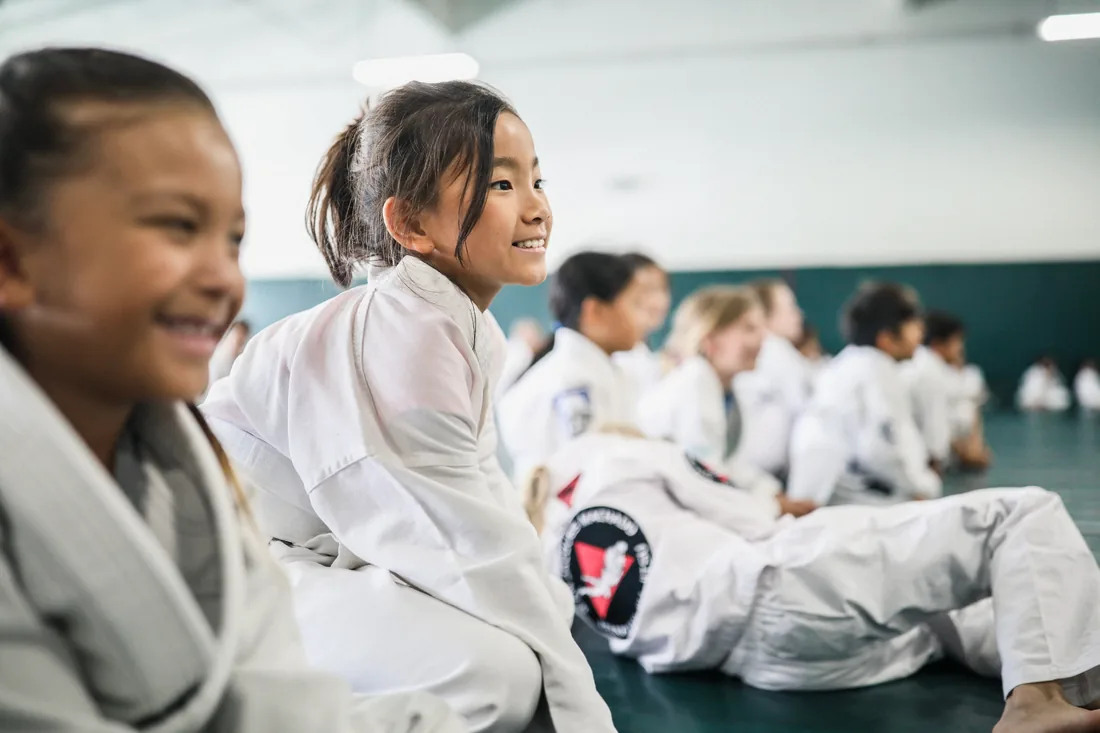
Credit where it’s due: karate’s traditional structure is excellent for instilling discipline and etiquette, and many kids thrive on it. Jiu-Jitsu delivers the same benefits through a different mechanism — tight age bands, a defined curriculum, and clear technical goals. At Gracie Jiu-Jitsu Warwick, kids are grouped by age and stage so a 4-year-old and a 10-year-old each get a class built for their attention span and coordination:
- Mat Munchkins (ages 3–5) — focus, coordination, and listening skills through games that sneak in real technique.
- Little Champs (ages 5–7) — the bridge year: discipline plus the first real self-defense fundamentals.
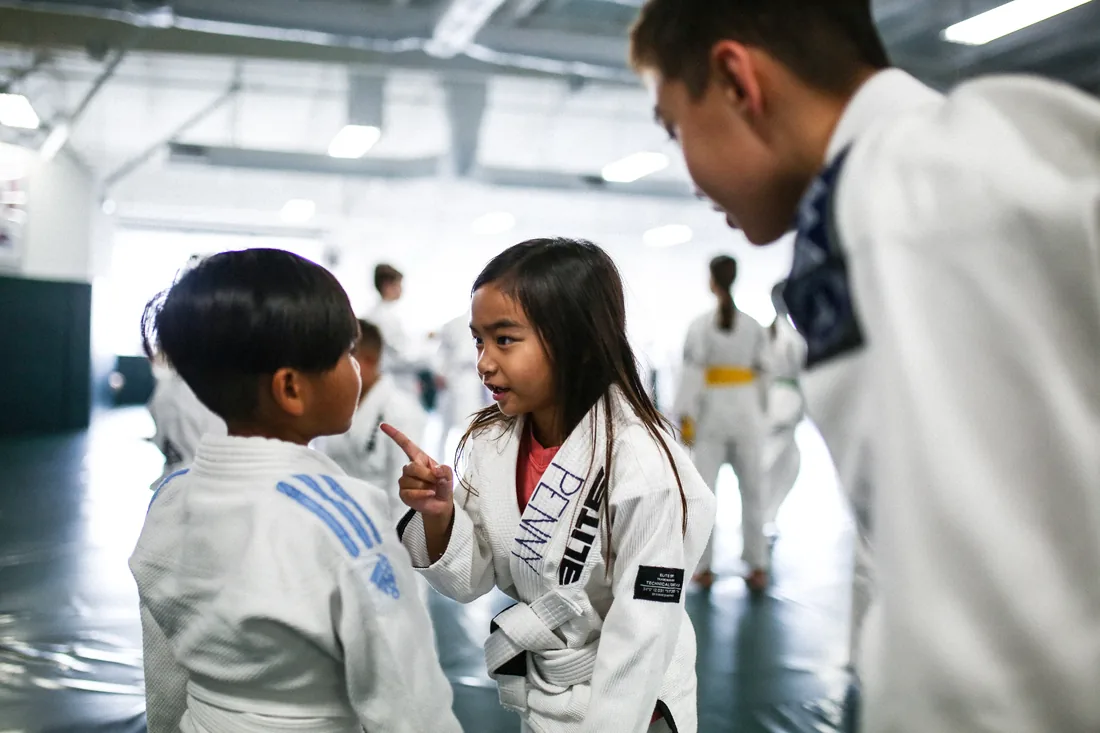
- Jr. Grapplers (ages 7–12) — the full Bullyproof curriculum, anti-bully verbal tactics, and live technique.
So which should you choose?
If your priority is striking sport, forms, and a very traditional dojo structure, a good karate or taekwondo school will serve you well. If your priority is real-world self-defense, anti-bullying skills, and a non-violent, control-first approach, Jiu-Jitsu is hard to beat — which is exactly why we chose to specialize in it. For a wider view of the kids-martial-arts landscape, see our parents’ guide to the best martial arts for kids.
Try it before you decide
You don’t have to guess which art fits your child — watch them try one. As Warwick’s only Gracie Certified Training Center, we offer a free 10-day trial with unlimited beginner kids’ classes, no card and no commitment. Bring your child in, watch a class, and see the confidence show up for yourself.
Frequently asked questions
Is karate or Jiu-Jitsu better for kids?
It depends on your goal, but for real-world self-defense and anti-bullying, Jiu-Jitsu has a structural edge: it teaches a child to stay safe and control a bigger, stronger aggressor without throwing a punch. Karate builds excellent discipline and coordination through striking and forms, but most schoolyard confrontations end up in grabbing, pushing, and wrestling — exactly the range Jiu-Jitsu is built for.
What age can a child start martial arts?
As early as 3. At Gracie Jiu-Jitsu Warwick, Mat Munchkins (ages 3–5) focuses on focus, coordination, and listening through games, then kids move up through Little Champs (5–7) and Jr. Grapplers (7–12) as they grow — each age band gets a class designed for it.
Is Jiu-Jitsu safe for children?
Yes — and it's one of the reasons parents choose it. Our Gracie Bullyproof® program is non-violent and involves no striking, so kids learn to control and de-escalate rather than hit. Techniques are drilled cooperatively with partners, not fought out, which keeps injury risk low.
Does Jiu-Jitsu make kids more aggressive?
The opposite. Because the entire system is about staying calm and in control under pressure — without striking — kids tend to become less reactive, not more. Confidence usually replaces the need to prove anything, which is why so many parents report fewer conflicts, not more.
Karate or Jiu-Jitsu for a 3, 4, or 5 year old?
For preschool and early-elementary kids, Jiu-Jitsu is usually the gentler on-ramp. Our Mat Munchkins class (ages 3–5) is entirely game-based with no striking, so very young children build coordination, listening, and confidence without hitting or being hit. Around ages 5–7, Little Champs adds the first real self-defense fundamentals. Karate can work well at this age too — but if you want a non-violent, control-first start, grappling fits the youngest students especially well.