There’s a sentence we hear from almost every adult who walks into our Warwick academy for the first time: “I always wanted to do this, but I figured I was too old.” Some are 35. Some are 60. Nearly all of them are training happily within two weeks. If a version of that sentence has been living in your head, this article is the honest, hype-free case for why the window never actually closed — and how to step through it without wrecking your body.
Why “too late” is a myth in leverage-based martial arts
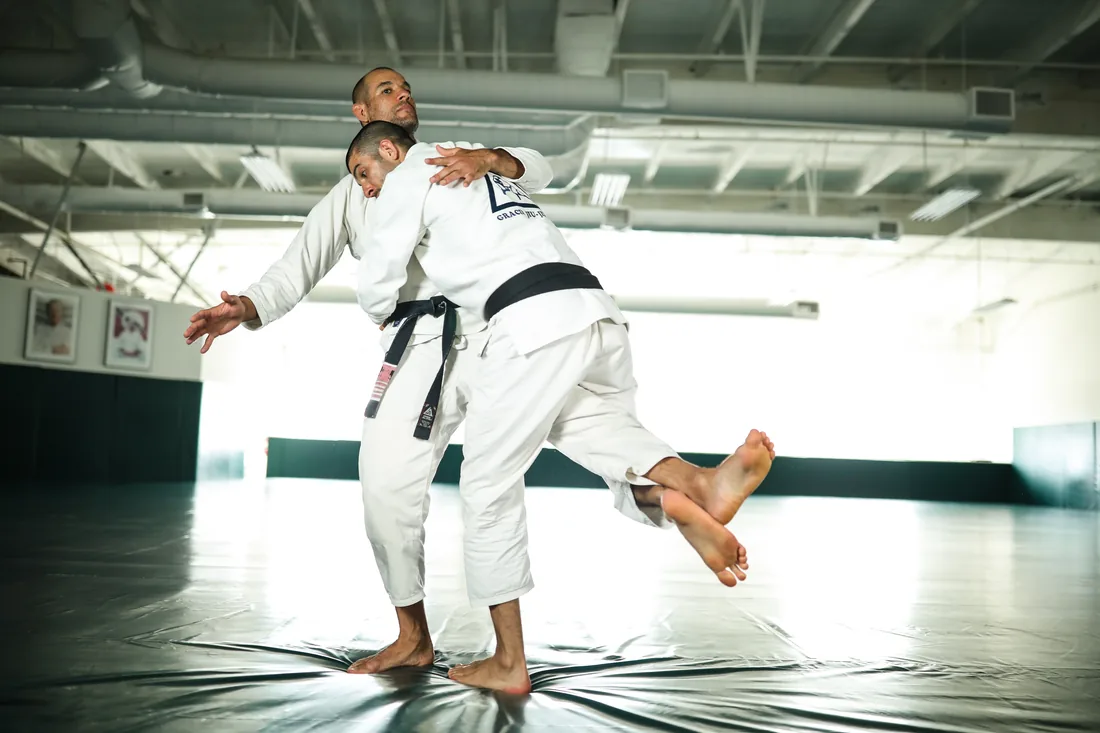
The “too late” feeling comes from picturing martial arts as an athletic contest — explosive kicks, fast hands, young knees. Some arts are that. Brazilian Jiu-Jitsu was engineered to be the opposite: it was built so that a smaller, weaker, slower person could control a bigger, stronger, faster one through leverage, angles, and timing. Helio Gracie — the art’s co-founder — famously kept teaching into his 90s. You don’t need the attributes you had at 22; the art replaces them.
The CDC recommends adults — including older adults — get at least 150 minutes of moderate activity per week plus twice-weekly muscle-strengthening, and notes that adults become less active with age even as the benefits of activity grow. Two Jiu-Jitsu classes a week clears both bars at once.Centers for Disease Control and Prevention, Physical Activity Guidelines for Adults.
What actually worries adult beginners (and the honest answers)
“I’ll get hurt.”
The real injury risk in martial arts comes from ego-driven sparring and repeated impact. A curriculum-first program removes both: in Gracie Combatives®, your first 8–12 months are fully cooperative — your partner works with you, there’s no competitive rolling, and there is never striking to the head. You control the intensity of every rep. We wrote more about why this ordering matters in cooperative training vs. sparring for beginners.
“I’ll be the oldest, most out-of-shape person there.”
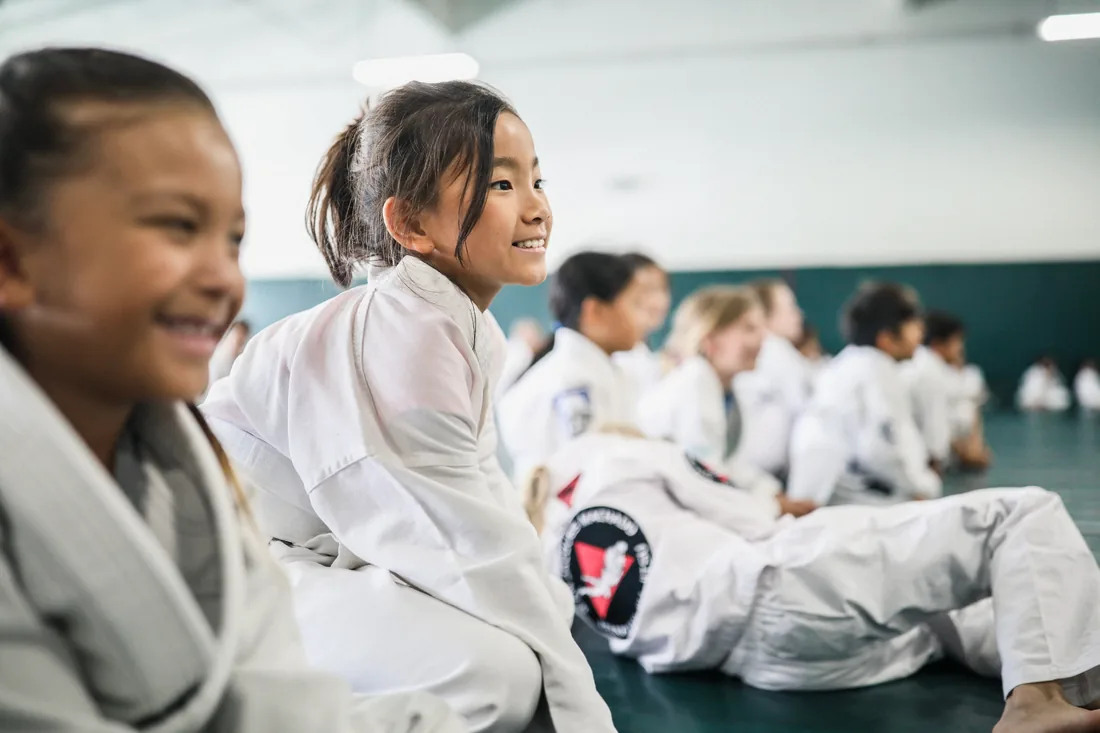
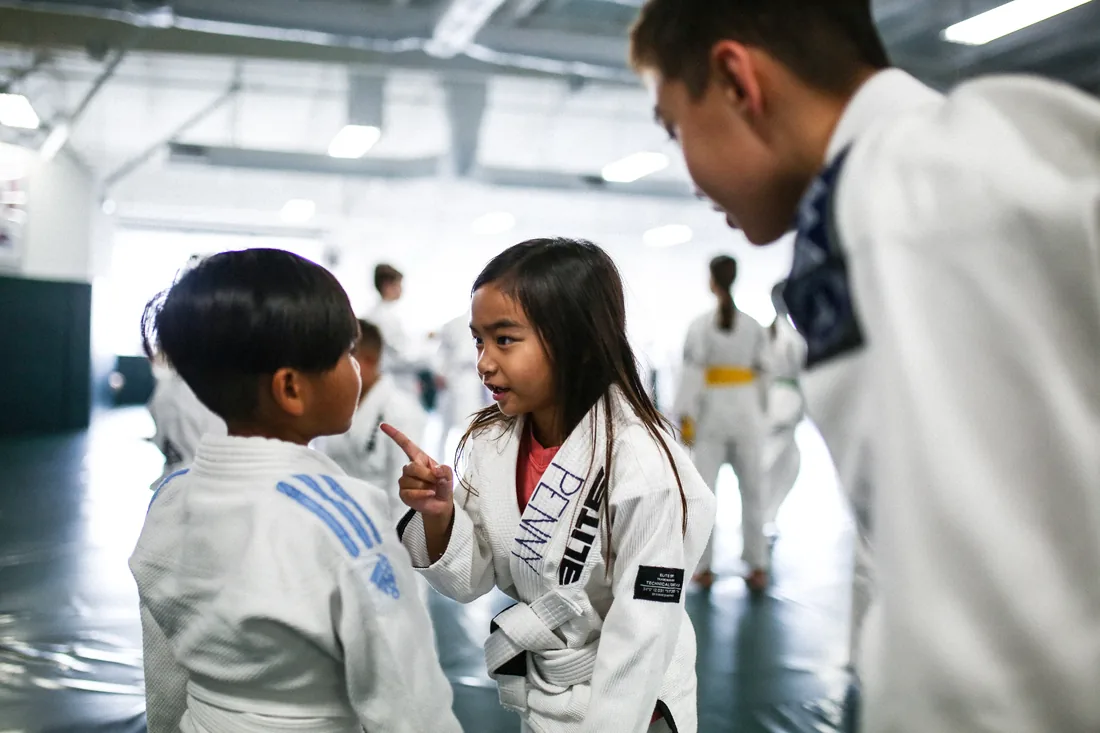
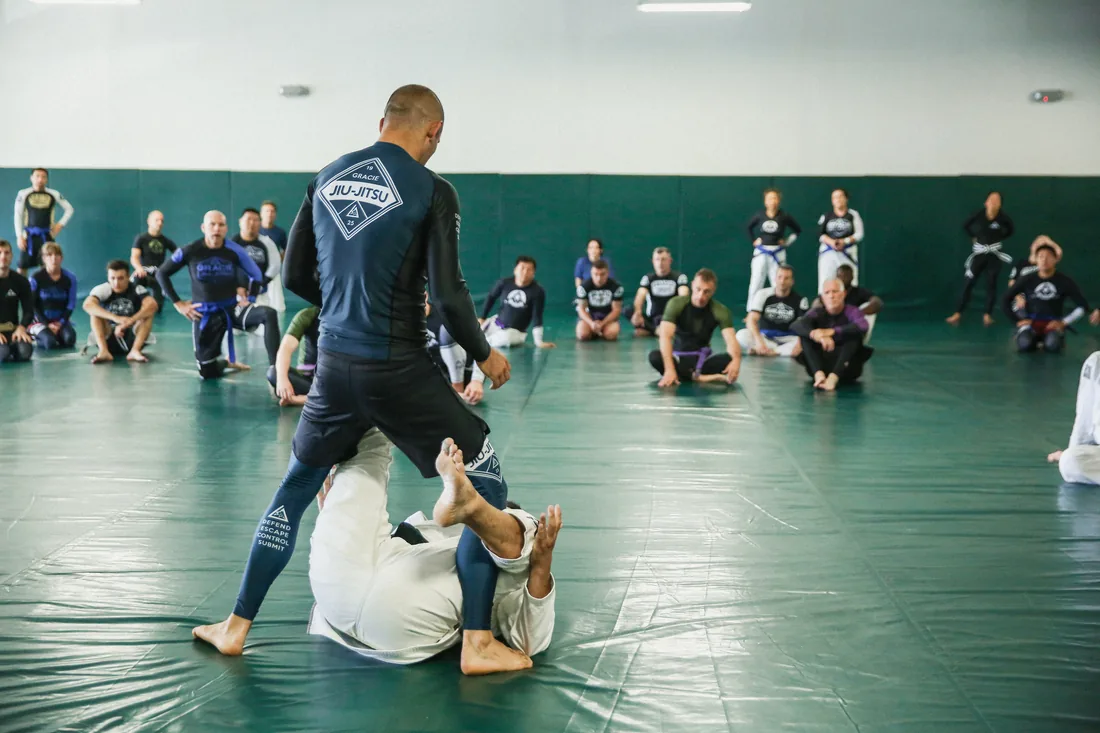
You won’t be — adult beginner classes in Warwick are full of teachers, nurses, contractors, and retirees, not competitors. And even if you were: everyone on that mat had a first day, and Jiu-Jitsu people are famously protective of their newest training partners. The atmosphere surprises people more than the techniques do.
“I don’t have the time.”
Two hours a week produces real progress in a structured curriculum, because no class is wasted — each lesson is a defined piece of a 23-lesson rotation you can enter on any day. Compare that to the gym memberships that quietly lapse because nothing was pulling you back. Most adults find Jiu-Jitsu has the opposite problem: it’s the appointment they refuse to miss.
What adults gain that younger students often don’t notice
- Stress relief that actually works. You cannot think about your inbox while someone is teaching you to escape a mount. An hour on the mats is the most reliable off-switch most adults ever find — more on this in our guide to the benefits of BJJ for adults.
- Strength and mobility that transfer to life. Grip, hips, core, balance — built through problem-solving instead of rep-counting.
- A skill that compounds with age. Unlike raw athleticism, technique accrues. The art literally gets better as you do.
- Real self-defense confidence. Not bravado — the quiet kind that comes from pressure-tested reflexes.
How to start smart at 35, 45, or 65
- Start cooperative, stay cooperative until reflexes exist. Avoid any school that throws beginners into live sparring in week one.
- Two to three classes a week — recovery is training too, especially past 40.
- Tell the instructor about old injuries. Good coaches adapt techniques around a creaky shoulder or knee; ours do it daily.
- Consider a private lesson to start. A single private session can settle nerves and let you enter group classes already knowing the basics.
The best day to start was years ago. The second-best is this week.
A year from now you’ll be a year older either way — the only question is whether you’ll also be someone who trains. Come find out how it feels with a free 10-day trial at our Gracie Certified Training Center in Warwick: unlimited beginner classes, no card required, and a room full of people who also thought they were too old.
Frequently asked questions
Am I too old to start martial arts?
Almost certainly not. Leverage-based arts like Brazilian Jiu-Jitsu are specifically designed to work without youthful speed or strength — technique and timing do the work. Students at Gracie Jiu-Jitsu Warwick have started in their 40s, 50s, and 60s; our current students range from age 3 to 67+.
What is the best martial art for adults over 40?
One you can practice realistically without getting hurt. Cooperative, curriculum-based Jiu-Jitsu fits that description better than striking arts: no repeated head contact, no forced sparring, and a pace you control. The Gracie Combatives program was built for exactly this student.
Can I start martial arts if I'm out of shape?
Yes — and starting is how the shape arrives. Beginner classes are fully cooperative and self-paced; conditioning is a by-product of training, not an entry requirement.
How often should an adult beginner train?
Two to three classes a week. That cadence builds skill steadily while giving a 40-plus body the recovery time it actually needs — consistency over months beats intensity over weeks.